You are tired, your dentures feel comfortable enough, and taking them out before bed seems…
Why Do My Teeth Hurt in the Cold? Winter Sensitivity, Explained
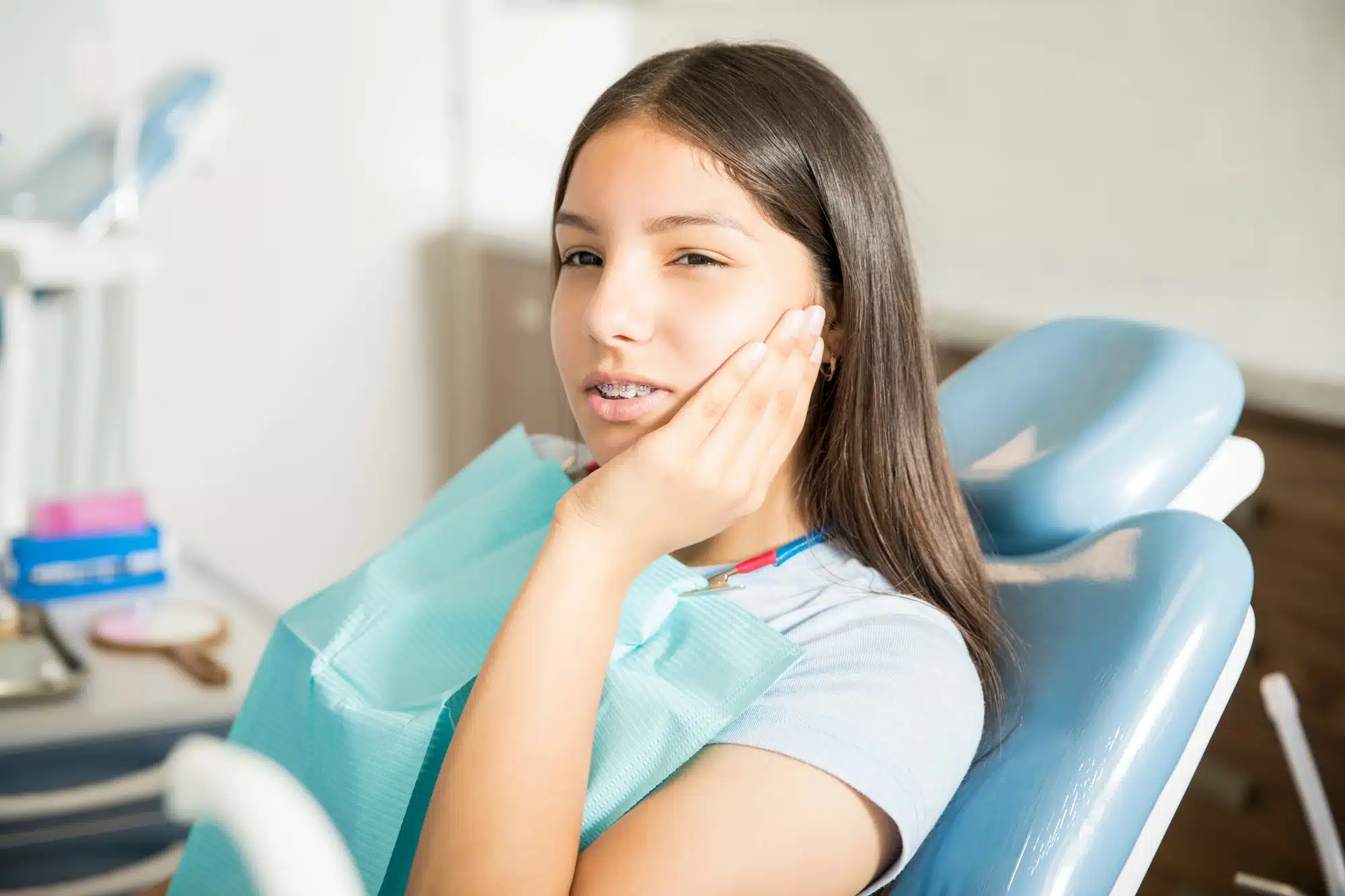
The first freezing morning of the year arrives, and a lungful of cold air or a sip of hot coffee sends a sharp zing through one tooth. It is startling, but it is common and often treatable, and it can also be an early warning.
A dentist in Grosse Pointe Woods can tell whether you are dealing with simple enamel wear or something more, and a routine dental exam with X-rays is where the answers usually start.
 What’s Happening When Cold Hits Your Teeth
Enamel protects each tooth above the gumline, and a thin layer called cementum protects the root. Underneath both is dentin, which contains microscopic channels. According to the American Dental Association’s MouthHealthy, when dentin loses its protective covering, those channels let heat, cold, and acidic or sticky foods reach the nerves inside the tooth.
That is why cold drinks, ice cream, and cold air can cause a sharp zing. Dentin is exposed when enamel wears thin or gums recede.
Common Causes of Winter Sensitivity
Several things can wear away that protective covering or expose the tooth beneath it:
- Worn enamel from acidic foods and drinks or brushing too hard
- Gum recession that exposes the tooth root
- A cracked or chipped tooth
- A worn, loose, or damaged filling
- Tooth decay
- Teeth grinding or clenching
- Recent whitening
Gum recession deserves attention, since it can point to gum disease and may call for periodontal care. A worn or damaged restoration may need a filling repaired or replaced, and grinding is one of the everyday habits that can damage your teeth without you noticing.
When It’s More Than Sensitivity
Book an exam promptly if the sensitivity is limited to one tooth, lingers after the cold is gone, hurts when you bite, comes with swollen or bleeding gums, or keeps getting worse. Sensitivity caused by a cavity, a crack, or gum disease will not resolve with toothpaste alone, and finding the cause sooner usually means a simpler fix.
What You Can Do at Home
For mild sensitivity, a few changes can help. Switch to a soft-bristled brush and a lighter touch. Try a desensitizing toothpaste, which helps block sensation traveling to the nerve and usually needs several applications to work. Look for the ADA Seal of Acceptance.
The Mayo Clinic also recommends avoiding abrasive toothpastes and notes that acidic foods and drinks can remove small amounts of enamel over time, so it helps to limit them.
Frequently Asked Questions
Why are my teeth only sensitive in winter?
Cold air is an extra trigger for exposed dentin, and the wear or gum recession behind it may have been building for a while.
Does sensitive toothpaste really work?
It can help, but it usually takes several applications, and it will not fix a cavity or a crack.
When should I see a dentist for sensitivity?
If it affects one tooth, lingers after the cold, hurts when you bite, or keeps getting worse.
 Don’t Let Winter Zings Ruin Your Hot Cocoa: Visit a Dentist in Grosse Pointe Woods
If cold air, coffee, or ice cream has become a source of dread, do not wait. Schedule an appointment with our team at My Family Dental Grosse Pointe or call (313) 881-8081 to get answers before winter settles in. Tuesday and Thursday appointments run until 7 p.m.
Related Posts