
Hearing that you might need a crown or a bridge can leave you with more…

How Regular Dental Exams Catch Problems Before They Become Painful
When your teeth feel fine, it can be easy to assume you do not need a dental appointment. However, many oral health problems can develop without noticeable symptoms.
Visiting a dentist in Grosse Pointe for regular dental exams can help identify potential concerns before they become painful or require more extensive treatment. Preventive exams are an important part of protecting your long-term oral health.
Why Dental Problems Can Stay Hidden
Cavities and gum disease do not always cause pain in their early stages. A small cavity may begin in the enamel without reaching the deeper, more sensitive portions of the tooth. Similarly, gum disease can develop gradually, sometimes causing little more than subtle changes that are easy to overlook.
During this time, you may not notice:
- Early enamel damage
- Small areas of tooth decay
- Gum inflammation
- Problems between teeth
- Changes affecting existing restorations
Waiting until something hurts may give the problem more time to progress. Regular dental exams allow your dental team to look for concerns that you may not be able to see or feel yourself.
What Happens During a Dental Exam?
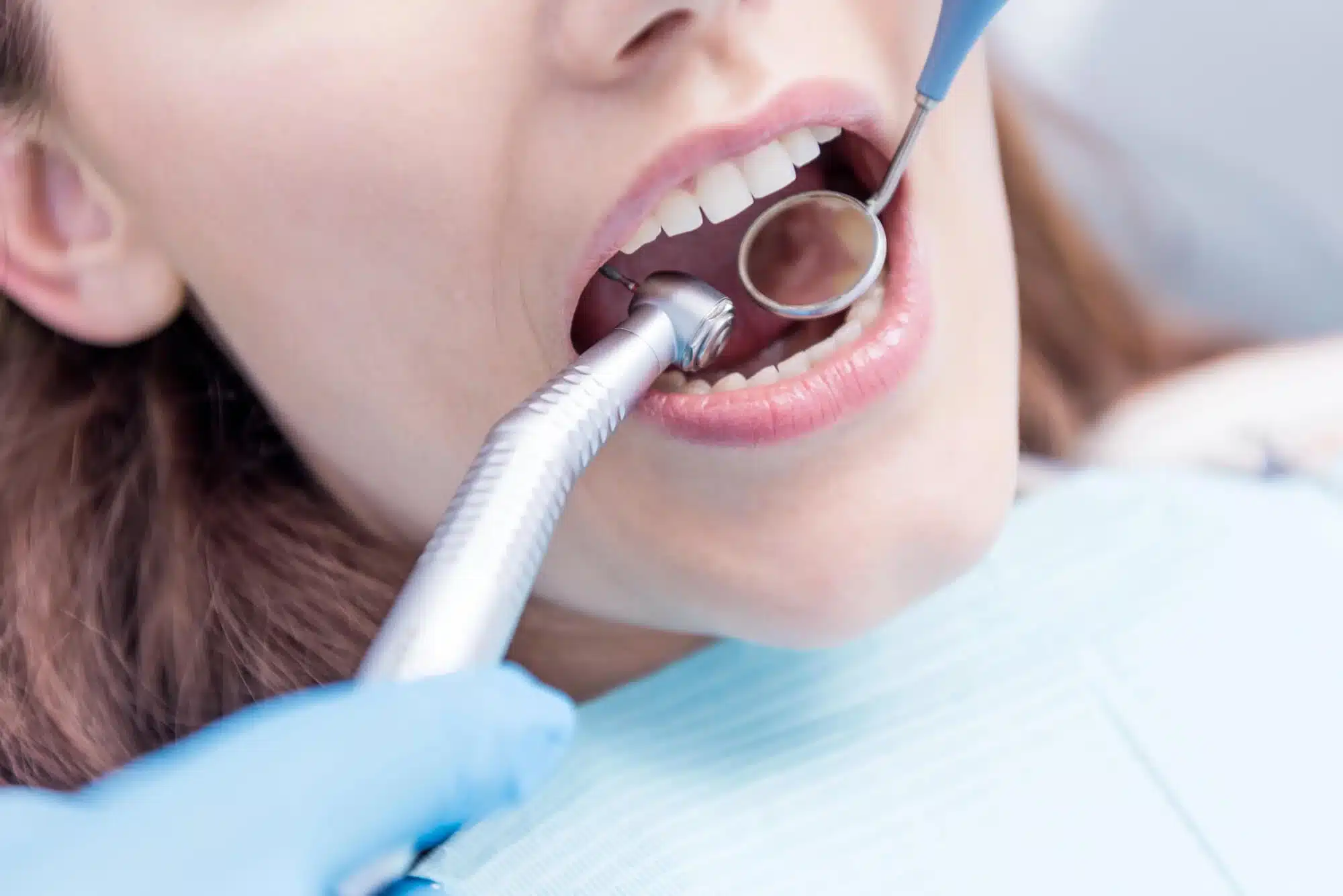
A routine dental exam typically involves more than simply checking whether you have a cavity. Your dentist evaluates your teeth, gums, and overall oral health for signs of current or developing problems.
Depending on your needs, an exam may include:
- A visual inspection of your teeth and gums
- Checking for signs of decay
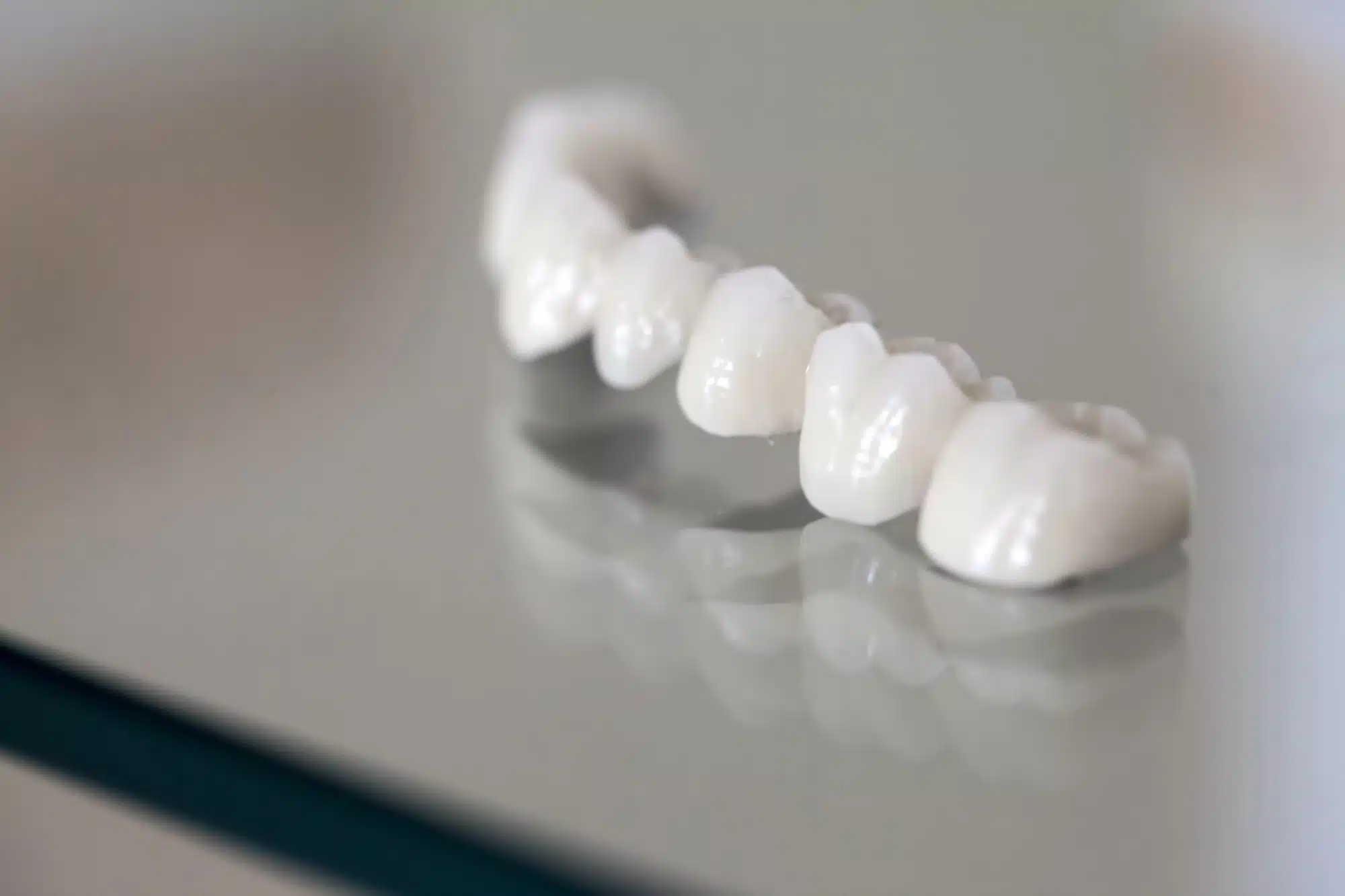
- Examining existing fillings, crowns, or other restorations
- Dental X-rays when appropriate
Looking Beyond What You Can See
Dental X-rays can provide information that may not be visible during a visual examination. They can help dentists identify certain types of decay, changes in supporting bone, impacted teeth, and other concerns beneath or between teeth.
Your dentist may also ask about sensitivity, changes in your bite, discomfort, or anything else you have noticed since your last visit.
How Early Detection Can Protect Your Smile
Identifying a dental problem early may allow your dentist to address it before it becomes more complicated. For example, early tooth decay may be treatable with a filling, while gum inflammation can often be addressed with improved professional and at-home care.
A damaged filling or crown may also be easier to repair or replace before it contributes to additional tooth damage.
When problems are ignored, they may eventually lead to pain, infection, tooth damage, or more extensive treatment. Regular exams give your dentist the opportunity to monitor changes over time and recommend treatment when it is most appropriate.
Frequently Asked Questions
Do I need a dental exam if my teeth feel fine?
Yes. Exams can identify dental problems before they cause noticeable symptoms.
Can dental X-rays find problems I cannot see?
Yes. X-rays can reveal certain concerns beneath or between teeth and around the supporting bone.
Can regular exams prevent cavities?
Exams do not prevent cavities by themselves, but they help identify decay early and allow your dentist to provide personalized preventive recommendations.
Don’t Wait for a Toothache: Schedule Your Next Dental Exam with a Trusted Dentist in Grosse Pointe
At My Family Dental Grosse Pointe, we believe that you do not have to wait for pain to develop before taking care of your smile. Regular dental exams can help identify concerns early and support healthier teeth and gums for the long term.
Schedule an appointment today to stay proactive about your oral health and give your smile the attention it deserves.
Related Posts